

There are places that whisper stories, and then there are places that sing them—out loud, with rhythm and pride. Al-Balad, nestled in the heart of Jeddah, is firmly the latter. It’s not just Jeddah’s old town; it is the city’s soul. The kind of place where time slows down, not out of laziness, but respect.
Imagine walking through sun-warmed alleyways that have seen centuries of traders, travelers, and storytellers. Al-Balad isn’t just a historic district—it’s a living, breathing testament to Jeddah’s evolution from a humble port to a cultural icon. Whether you’re a history enthusiast, a curious wanderer, or someone who simply enjoys meaningful places, Al-Balad invites you to get lost, on purpose.
Walls That Remember: Coral Stone, Color, and Craft
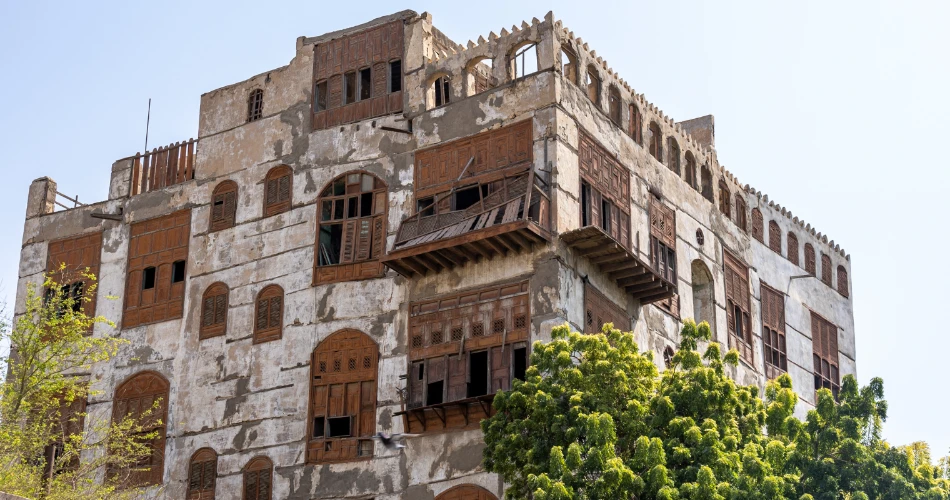
Before the glittering skyscrapers of modern Jeddah, there was coral. Yes—real coral, lifted from the Red Sea and transformed into the walls of Al-Balad’s homes. These coral-stone buildings are more than beautiful; they’re ingenious. The porous stone keeps interiors cool during the scorching summers, a natural form of air-conditioning long before electricity arrived.
As you stroll along the uneven pathways, tall buildings lean in slightly, their wooden rawasheen (latticework windows) casting intricate shadows on the ground. Some of these windows are stained with faded colors, some left raw and aged—but all of them speak of craftsmanship that valued beauty just as much as practicality.
Now and then, you might come across an open door. If you’re lucky, someone might invite you inside. The interiors, though modest, often reveal cool stone walls, colored glass, and deep histories passed down through generations.
The historic district Jeddah is far more than just a relic of the past. It’s a visual diary of lives once lived, and lives still thriving. Locals live and work in Al-Balad to this day, contributing to its vibrant, layered charm. While change has touched many parts of the city, this corner refuses to forget.
Street Life and the Gentle Buzz of Al-Balad
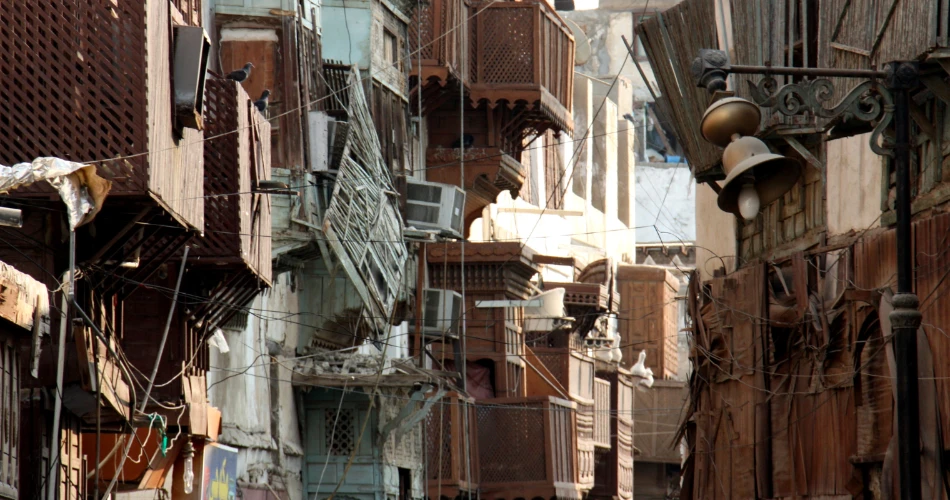
There’s something grounding about walking through Al-Balad at dusk. As the call to prayer echoes from nearby minarets, shopkeepers begin to close their stalls, children laugh in narrow lanes, and the scent of cardamom and oud drifts from nearby homes.
This is not a place to rush. Take your time wandering through Souq Al Alawi, the main artery of Al-Balad. It's one of the oldest markets in the region, where everything from handwoven prayer mats to spices to retro electronics is sold. The shopkeepers here are part historians, part storytellers—and always welcoming.
You’ll find that old town Jeddah embraces both stillness and motion. Around one corner, an elderly man might be resting beneath a crumbling awning. Around another, a young street artist might be painting a mural on a peeling wall. Both belong. Both matter.
Interestingly, Al-Balad has embraced technology in subtle ways. The Sawer App, for example, is popular among locals and travelers alike. It overlays historical insights as you walk through key parts of the district. This simple tool lets you peel back the layers of time, revealing what once stood where, and who once walked the same paths.
Timeless Treasures: Mosques, Museums, and Murals
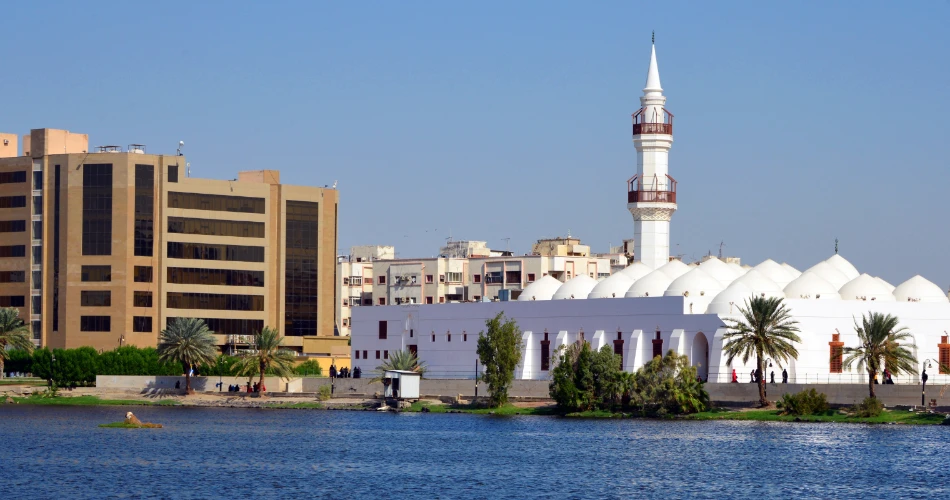
The architecture is not the only storyteller here. Al-Balad is sprinkled with spiritual and cultural gems that deserve slow attention. Start with Masjid Al-Shafi’i, one of the oldest mosques in Jeddah. Its simple, open design reflects a time when worship was community-centered and beautifully understated. The wooden beams and coral-stone minaret have been carefully preserved, offering a glimpse into a deeply spiritual past.
Nearby, the Nassif House stands tall. Once the home of a powerful merchant family, it now functions as a museum and cultural space. The spiral staircase inside is iconic—a wooden coil rising through the center of the house like a spine. Don’t rush your visit here. Every floor reveals something new: old documents, photographs, tools, or even an occasional art exhibit celebrating the contemporary spirit of Al-Balad Jeddah.
And then there’s the street art. Yes, street art. In recent years, walls once forgotten have been turned into canvases. Through programs like “Jeddah Ghair” and the annual Red Sea International Film Festival, artists have reimagined Al-Balad’s facades with bold color and commentary. This merging of old and new is part of what makes the UNESCO heritage Jeddah site so special. It's preservation without stagnation.
One particular mural, painted just off one of the quiet alleys, shows an elderly woman in traditional Hijazi dress, her gaze fixed forward. It’s powerful—speaking not only of tradition but of resilience and continuity.
Moments in the Margins: Why Al-Balad Feels Personal
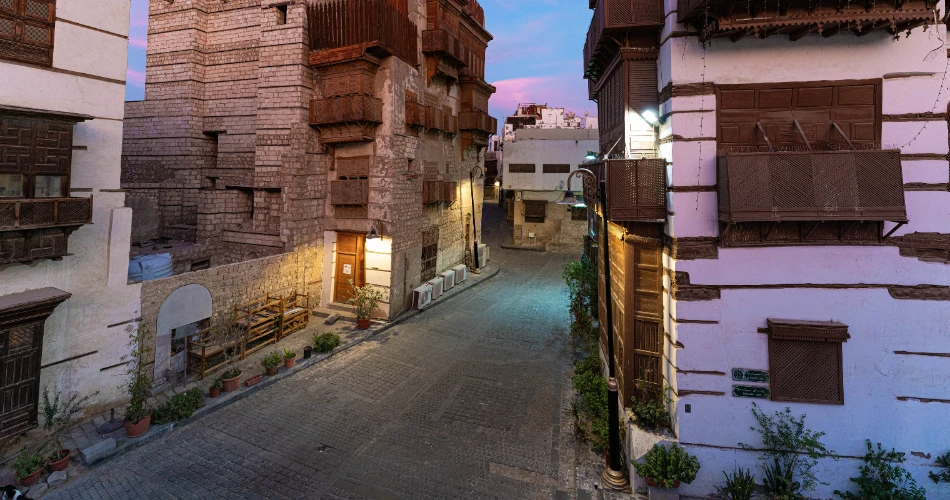
Beyond its history, its mosques, and its markets, what truly makes Al-Balad unforgettable is the feeling it gives you. A sense that you're part of something older, deeper, and richer than a postcard or photo could ever capture.
You might pass a man fixing his mishlah robe in the mirror of a shuttered shop, or hear an old record playing Arabic classics through an open window. These moments aren’t curated—they're just life, unfolding. And it’s this authenticity that makes the historic district Jeddah resonate so deeply with visitors.
People don’t come to Al-Balad for perfection. They come for the cracks in the walls, the faded paint, the uneven stones, the whisper of time. And somehow, those imperfections tell the most human stories.
In fact, more and more local bloggers and creatives are choosing to share their experiences here. Platforms like Jeddah’s Pulse and Bayn Al Qasrayn (an Arabic-language visual blog) are worth checking out if you’re curious about the deeper, more nuanced sides of Al-Balad Jeddah life. These digital storytellers are capturing what guidebooks can’t: the mood, the silence, the joy, and even the grit.
When Time Slows Down, You Listen More
Al-Balad doesn’t need flashy lights or loud promotion. Its magic is quiet. Subtle. But it stays with you.
Maybe it’s the way the sun hits the coral walls just right in the late afternoon. Or maybe it’s the way people nod in greeting without saying a word. You’ll find that here, even the air feels different—saltier, thicker, filled with memory.
Yes, old town Jeddah is a UNESCO-listed treasure. But more than that, it’s a mirror. A place where visitors don’t just look at the past—they feel it. And perhaps, if you listen closely, it might just change how you see your present.
So, slow down. Walk without a destination. And let Al-Balad tell you its story—not all at once, but piece by beautiful piece.